































































 Saudi Arabia · المملكة العربية السعودية
English lessons for learners in Saudi Arabia
Speak English with confidence, one tutor and one learner at a time
Whether you work in Riyadh, study in Dammam or run a business in Jeddah, you learn with one tutor on a video call, speak from the first lesson and polish your accuracy as you go.
Your week, Asia/Riyadh time
Tue07:00
Thu19:00
Sat09:00
Why English matters more every year in the Kingdom
English now starts early in Saudi classrooms. The Ministry of Education brought it into the first primary grade during the first semester of the 2021-2022 academic year, and it said the aim was to strengthen how students speak, read and write for university and for the job market. A year earlier the Education Minister had told state television that the change would help students compete at an international level.
The reform answers a need that adults already feel at work. English is described as the working language of the large oil and gas employers, and Vision 2030 sets out to grow the private sector, where employers have relied heavily on expatriate staff. At the time of the source, twice as many Saudi nationals worked in the public sector as in the private one, so the shift ahead is a big one, and English travels with it into meetings, emails, training manuals and job interviews.
If you learned English at school years ago and then stopped using it, you are in good company. This page walks you through how one-to-one lessons with Britemy fit life in Saudi Arabia: your working week, your goals, the tests people sit here, and the sounds that Arabic speakers often find tricky.
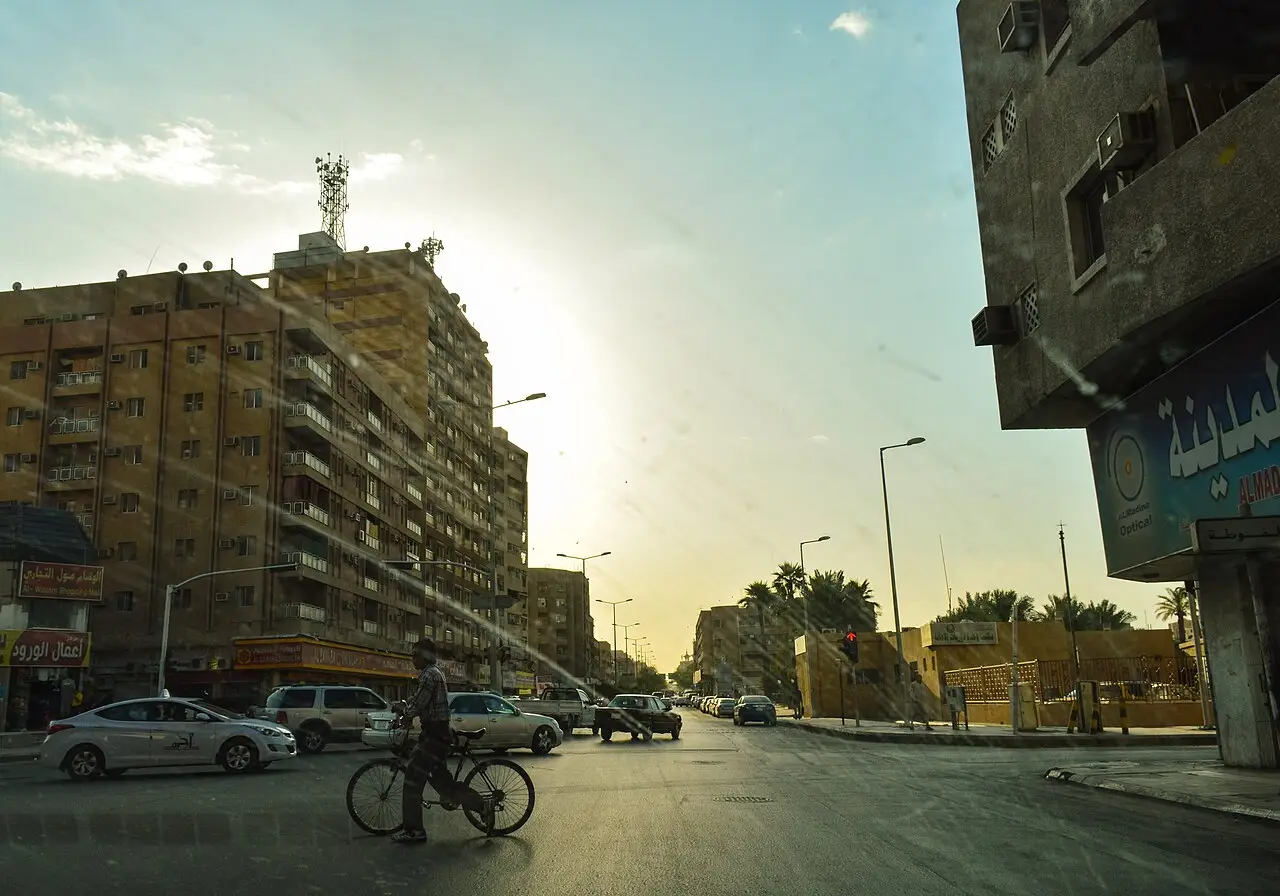
A young country with many reasons to learn
Saudi Arabia is a young country. In 2022 the median age was 29.0 years, and for Saudi nationals it was 25.4, with about 63 percent of Saudis under 30. If you are a student, a recent graduate or in the first years of your career, you share your age group with most Saudis, and your English may already be tied to a goal you can name.
The country is also wonderfully mixed. The 2022 census counted about 32.2 million residents, of whom 18.8 million were Saudis and 13.4 million were non-Saudis. A Saudi engineer preparing for a promotion and a resident from abroad who wants to sound clearer at work can both find a place in one-to-one lessons, because each lesson is built around the person sitting in front of the camera.
Extra help outside the classroom is a familiar idea here. A 2022 study of 1,000 students at the University of Ha'il linked the spread of private tutoring in Saudi Arabia to good family finances and limited parental supervision, at both school and university level. One-to-one English fits that habit well, with one addition that makes a difference: a coordinator follows every lesson, reads your tutor's notes and sends you progress reports on the CEFR scale.
- University students who need English for lectures, papers and entry tests
- Graduates applying to private companies and regional offices
- Professionals in energy, finance, hospitality and government relations
- Children in primary and intermediate school who want to keep pace
- Residents from abroad who want smoother everyday English
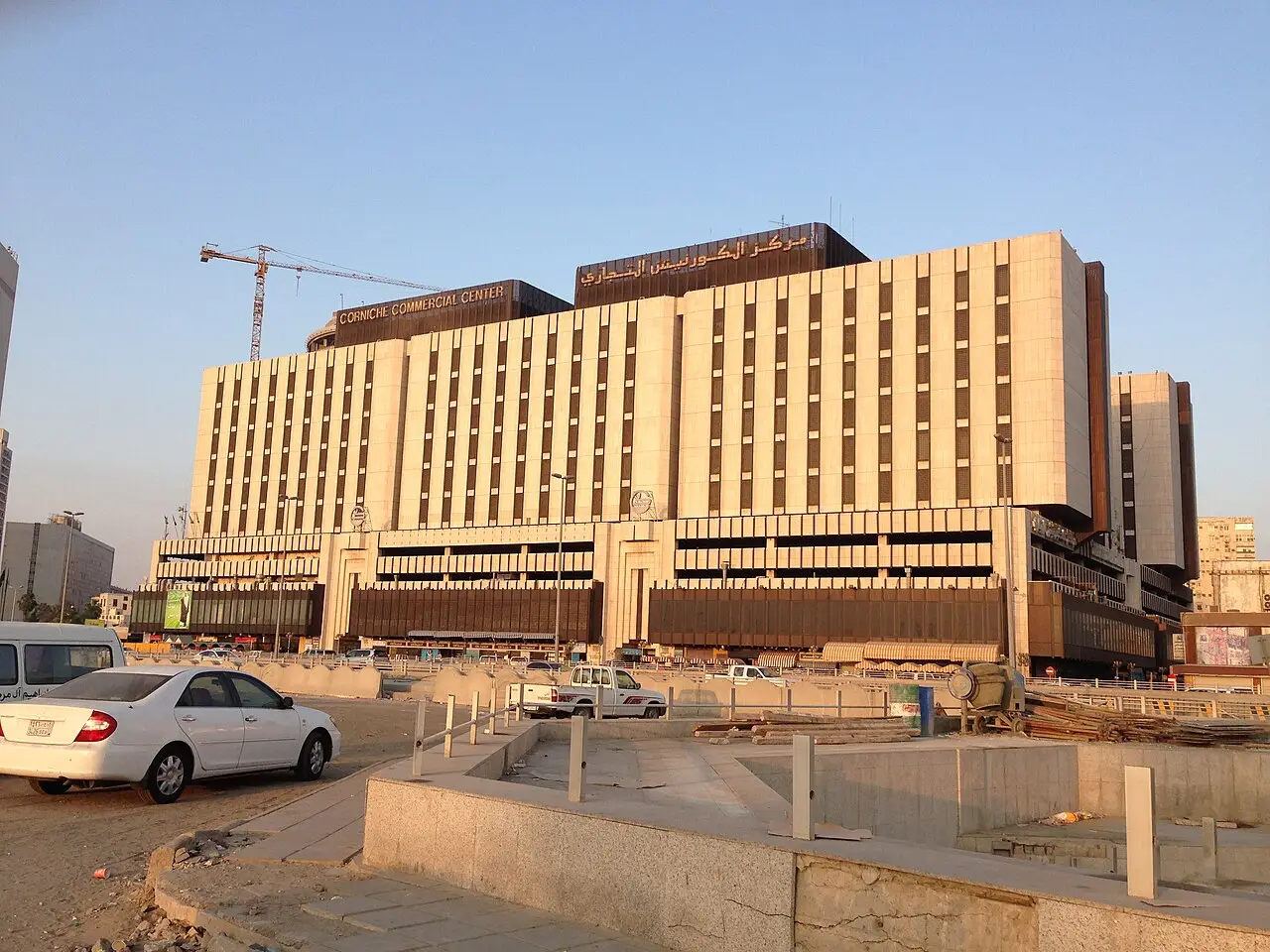
English for the jobs Vision 2030 is creating
In the fourth quarter of 2024 unemployment among Saudis fell to a record low of 7 percent. That same quarter, labor force participation reached 36 percent among Saudi women and 66.2 percent among Saudi men, and unemployment among Saudi women stood at 11.9 percent. For anyone stepping into a first private sector role, confident English can make the interview and the first months on the job feel far less daunting.
Riyadh in particular has become a home for regional offices. More than 500 foreign companies have moved their regional bases to the capital, which makes it a main market for workplace English. In offices like these, English can show up in quarterly reviews, client calls with colleagues abroad, presentations to senior managers and the written follow-up that comes after a meeting.
Your lessons can start from the situations you actually face. Talk through the email you need to send, the presentation for Sunday's meeting or the job description you are applying for, and the lesson becomes a rehearsal for real life. You practice the sentence you will say tomorrow, hear how it lands, and adjust it until it sounds like you on a good day.
- Job interviews, including questions about your experience and your plans
- Meetings where you need to disagree politely or propose a new idea
- Emails and reports that read clearly and professionally
- Presentations with a confident opening and a calm question time
- Video calls with colleagues in other countries and time zones
Energy, tourism and the big events ahead
Different industries ask for different English. In the Eastern Province, where Dammam is a major administrative center for the oil industry, English is described as the lingua franca of the large oil and gas employers. In that field, English can mean safety briefings, maintenance reports, written procedures and the handover between one shift and the next.
Tourism is the other big field. In 2024 Saudi Arabia recorded about 116 million tourist trips, including about 30 million international visitors and 86.2 million domestic trips. In hotels, transport and the many services around Jeddah, the principal gateway to Mecca, English helps you welcome guests, solve problems and explain things clearly.
Bigger moments are on the calendar. Riyadh was selected in November 2023 to host Expo 2030, and Saudi Arabia secured the hosting rights for the 2034 World Cup in 2023. Both events draw international visitors and service-sector demand, and the English those jobs call for is practical, spoken and polite under pressure. Finance has its own register too, and Riyadh's business districts include the King Abdullah Financial District.
- Energy and engineering: procedures, safety talks and technical reports
- Hospitality and tourism: welcoming guests, handling complaints and giving directions
- Events and transport: announcements, schedules and helping visitors find their way
- Finance and government relations: formal meetings, presentations and careful emails
Riyadh, Jeddah and Dammam, three cities with their own English
Most people in the Kingdom live in three regions. In the 2022 census, Riyadh, Makkah and the Eastern Province together held 68 percent of the population, and each of their main cities gives people a slightly different reason to learn English.
Riyadh had a city population of about 7.0 million in 2022. It hosts 114 foreign embassies and 23 of the government's 24 ministries, along with business districts such as Al-Olaya and the King Abdullah Financial District. With most ministries, many embassies and the main business districts in one city, workplace English and exam preparation are concentrated here.
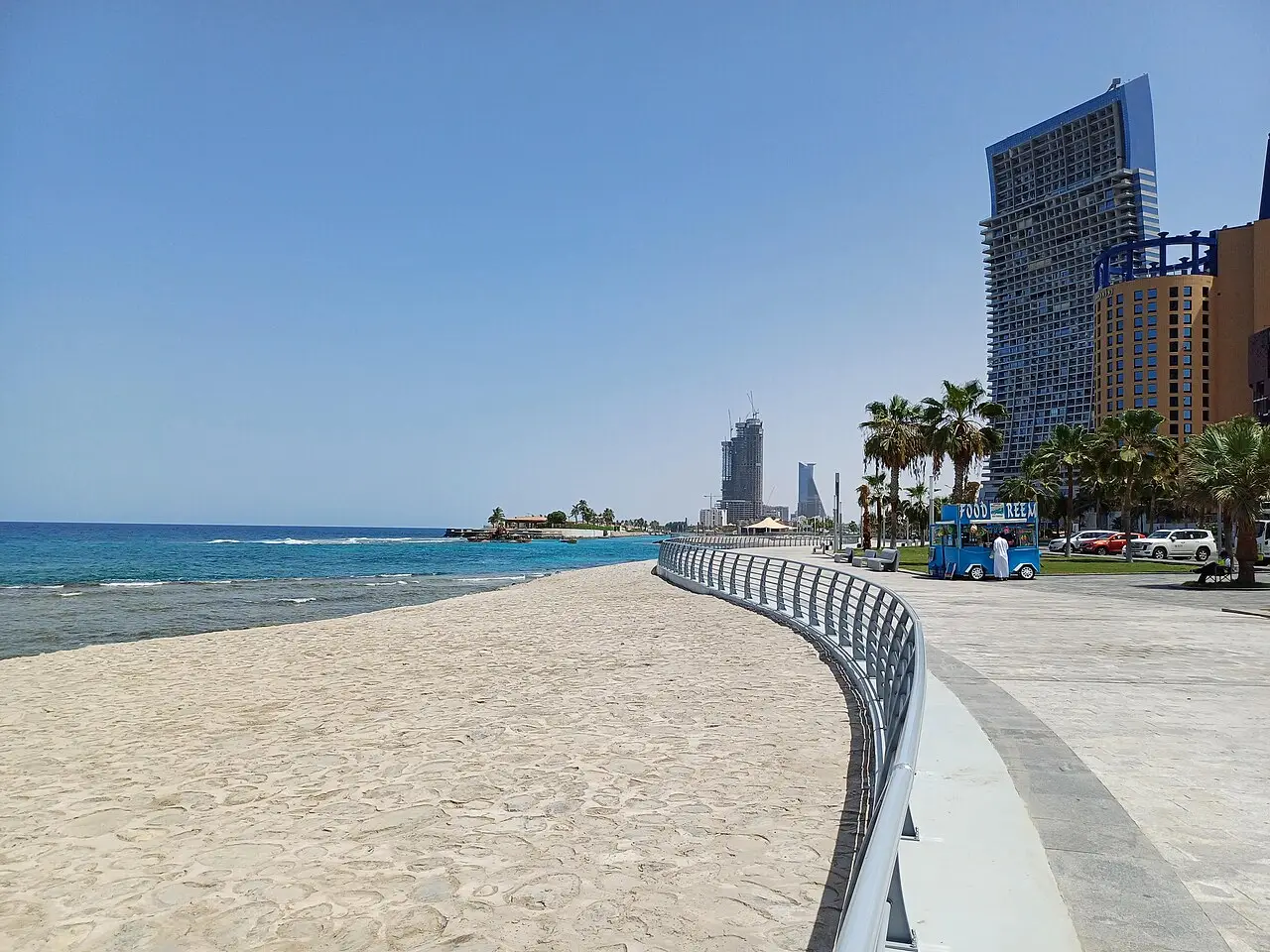
Jeddah had about 3.75 million residents in 2022. As the main commercial center on the Red Sea and the principal gateway to Mecca through its seaport and airport, it ties English to trade, port work, and the pilgrim and tourism services that welcome visitors.
Dammam had about 1.39 million residents in 2022 and about 2.74 million across its metropolitan area. It is the seat of the Eastern Province and an administrative center for the oil industry, with several universities nearby, so technical and workplace English matter.
Your lessons run online, so they work the same way whichever of these cities you call home, and just as well in a smaller town. You meet your tutor on a video call at a time that suits your week.
- Riyadh
- Jeddah
- Dammam
STEP, IELTS and the tests that open doors
Two tests come up again and again in Saudi Arabia. The Standardized Test of English Proficiency, known as STEP, is a computer-based test run by the National Center for Assessment (Qiyas) under the Education and Training Evaluation Commission. Its score weighs reading at 40 percent, grammar at 40 percent and listening at 20 percent. Results stay valid for three years, and each institution sets its own minimum score, which is why university applicants, graduate applicants and job seekers all sit it.
IELTS is the test people take for study abroad and for UK visa routes. There are 17 official IELTS test centers in the country, and computer-delivered IELTS is offered in Riyadh, Jeddah and Dammam, while paper-based IELTS for UKVI is no longer offered. If you plan to sit a computer-delivered test, it helps to practice reading and typing your answers on a screen well before test day.
Britemy prepares you in two phases with the same tutor. In the first phase you build a solid foundation in reading, writing, listening and speaking. In the second phase you move to score strategy: drills in the official format, timed mock tests and a plan for how long to spend on each section. The drills follow the format of the test you are sitting, so your practice looks and feels like the real thing.
The tests Britemy prepares you for are IELTS, TOEFL, TOEIC, Cambridge exams, the Duolingo English Test and PTE Academic. Before you pick a test, check which one your university, employer or scholarship accepts and the score it asks for.
- IELTS
- STEP (Qiyas)
Studying overseas, and welcoming the world home
Saudi students have a long habit of studying overseas. A scholarship program launched in 2005 funded tuition and living costs for up to four years at Western universities, and about 5,000 Saudi students held these awards in 2007 and 2008, mainly in Canada, the United States, the United Kingdom and Australia.
The flow has continued. UNESCO data reported by World Education Services show 42,366 Saudi students studying abroad in 2023, which ranked Saudi Arabia 31st of 210 countries for outbound students. Links run in the other direction as well: at the Saudi-US Higher Education Partnerships Forum in Riyadh in November 2024, more than 80 Saudi and American universities took part, and the Study in KSA platform had received more than 80,000 applicants from 152 countries.
If you are heading abroad, your lessons can reach well beyond the entry test. You can practice following a fast lecture, taking notes, speaking up in a seminar, writing a polite email to a professor, and the everyday English of renting an apartment, opening a bank account or explaining symptoms to a doctor. Those first weeks in a new country feel much lighter when the small conversations already feel easy.
English for children and teenagers
Children in Saudi Arabia now meet English from the first primary grade. Primary school is compulsory and lasts six years, from about age 6 to 12, followed by three years of intermediate school and three years of secondary school. Each stage raises the bar, and a one-to-one lesson gives a child the full attention of one tutor from start to finish.
Private schooling is popular here. A 2023 survey found that 54 percent of respondents in Saudi Arabia prefer private schools, rising to 66 percent among those with higher monthly incomes, and some private international schools use English-medium curricula. Children in those schools meet their subjects in English, so extra practice with reading, writing and speaking can help them feel at home in class.
Children here are also used to learning through a screen. In the 2020-21 school year, 98 percent of Saudi students logged onto the national Madrasati platform at some point, and 93 percent of parents in the distance-learning surveys were satisfied. Elementary students were less likely to have their own device, so for a younger child it is worth setting aside a laptop or tablet with a camera at lesson time. Like every Britemy learner, a child speaks from the first lesson, and the coordinator's progress reports on the CEFR scale let a parent follow the English as it grows.
The sounds Arabic speakers practice most
Arabic is the official language of Saudi Arabia, and it shapes how English feels in your mouth. A 2024 study of 16 Saudi undergraduates found that Arabic-speaking learners struggle with the English lip sounds /p/ and /v/, and that they did better on /v/ than on the contrast between /b/ and /p/. In everyday speech that is the difference between pack and back, or pin and bin, and a listener can easily hear the wrong word.
These are habits, and habits change with practice. A simple way to practice /p/ is to hold a hand in front of your mouth and feel the small puff of air, then say pairs of words that differ by a single sound and put those words into full sentences. For /v/, rest your top teeth lightly on your lower lip and let the sound buzz.
Accuracy matters, and it grows over time. Your tutor gets you speaking from the first lesson and polishes pronunciation and grammar along the way, so you can start talking long before everything feels perfect.
- pack and back, pen and Ben, cap and cab
- very and ferry, van and fan, vest and best
- people, paper and pepper for steady /p/ practice
From quiet to confident, starting in lesson one
Many learners can read English well and still freeze when they need to talk. Britemy lessons start from speaking. From the very first lesson you talk about your work, your studies or your plans, and your tutor listens, helps you find the words and keeps the conversation moving.
Accuracy is polished along the way. Your tutor notices the mistakes that matter most and works on them across your lessons. With one tutor and one learner, there is no audience to worry about and nobody else waiting for a turn, so the whole lesson belongs to your voice.
Over the weeks the aim is simple and very human: to hesitate less, to recover quickly when a word escapes you, and to start enjoying the conversation itself. That feeling is what carries you into the meeting, the interview or the trip abroad.
Lessons around a Sunday to Thursday week
Saudi Arabia runs on Arabia Standard Time, UTC+3 all year, with no daylight saving changes in 2026 or across 2020 to 2029. Your lesson time stays steady from season to season, which helps a lot when you study for several months in a row.
The working week runs from Sunday to Thursday and the weekend falls on Friday and Saturday, a pattern in place since 2013. When you plan, you could look at a time before work, a weekday evening or a Saturday. Standard working time is 48 hours a week, so it pays to choose lesson times you can keep even in a busy week.
Ramadan changes the rhythm of the day. About 96 percent of the population is Muslim, and for Muslim employees working time drops to 6 hours a day or 36 hours a week during the month, which shifts when adults are free for lessons. Moving a lesson costs nothing with at least 24 hours' notice, so you can look for hours that suit the month. If you would rather rest during Ramadan, you can pause your package once, for up to 30 days.
Lessons on Asia/Riyadh time (UTC+03:00)
- Tue07:0060 min
- Thu19:0060 min
- Sat09:0060 min
Moving a lesson costs nothing with at least 24 hours' notice.
Online lessons in a country that lives online
Learning online already feels natural here. In 2024 internet penetration reached nearly 99 percent, mobile phones carried 99.4 percent of internet use, and the average mobile download speed rose to 129.2 Mbps. Even the lowest regional figure that year, in Asir, was 97.1 percent. In January 2024 the country counted 36.84 million internet users. In July 2025 the Ministry of Education reported that the national Madrasati platform serves over 6 million students and more than 500,000 teachers, so studying through a screen is familiar to many families.
Every Britemy lesson runs on a video call between you and your tutor. You see each other and talk naturally, much as you would across a table. A laptop or tablet with a camera and headphones can feel more comfortable, and a phone works too.
With no travel to a classroom, the hour you set aside for English stays an hour of English. You can join from home, from a quiet room at the office or from a hotel during a work trip, and you keep learning with the same tutor wherever you log in.
Lessons at home when a tutor is nearby
Some learners simply prefer to sit at their own table with a tutor beside them. Britemy can arrange lessons at home wherever a vetted tutor is available near you. Mention your area and the times you prefer during your free consultation, and you will find out whether a home tutor is available near you or whether online lessons are the way to start.
A home lesson follows the same method as an online one. You speak from the start, a coordinator follows every lesson, and your progress reports use the same CEFR scale. Changing tutor stays free at any time, and moving a lesson still costs nothing with at least 24 hours' notice.
A tutor who knows the English you need
Your tutor is experienced and skilled in their field. A learner preparing for IELTS, an engineer writing safety reports and a child in the second grade each need very different lessons, and with one tutor and one learner, every lesson can follow your own goal.
You work with the same tutor lesson after lesson, so they come to know how you learn, which mistakes keep returning and what keeps you motivated. For test preparation, the same tutor takes you through both the foundation phase and the score strategy phase, so nothing gets lost in a handover.
If the fit does not feel right, changing tutor is free at any time. Your coordinator keeps following every lesson and reading the tutor's notes, so your progress reports continue on the same CEFR scale with your new tutor.
Knowing your level and watching it rise
Britemy reports your progress on the CEFR, the Common European Framework of Reference for Languages. It describes language ability in six levels: A1 and A2 for beginners, B1 and B2 for independent users, and C1 and C2 for advanced users. That gives you a clear and shared way to describe where you are.
Each level has a feel you can recognize. At A2 you handle simple everyday exchanges, such as ordering, asking for directions and talking about your family. At B1 you can manage most travel and work situations with some effort. At B2 you take part in meetings and discussions with confidence. At C1 you work and study in English with ease, choosing your words with care.
Everyone moves at their own pace, and your progress reports make that pace visible by placing you on the CEFR scale, so you can see how far you have come and plan what comes next.
Progress report, CEFR scale
- SpeakingB1
- ListeningA2
- ReadingB1
- WritingA2
Sent by your coordinator after reading your tutor's notes.
A coordinator who follows every lesson
Behind every tutor stands a Britemy coordinator. Your coordinator follows each lesson and reads the notes your tutor writes.
From those notes you receive progress reports on the CEFR scale, so you, or the person who arranged your lessons, can see where your English stands and how it has moved.
For the parent of a young learner, the reports are an easy way to follow a child's English without sitting in on every lesson. For a working adult, they become a record of your own progress that you can look back on before an interview or a test.
What your first month looks like
It starts with a free consultation. You talk about your goal, your current English and the times you can study, and you decide whether to go ahead only after that conversation.
Packages start at four sessions. The whole package is paid before lessons begin. A package stays active for 30 days from your first lesson, with a 15-day grace period after that, and you can pause it once, for up to 30 days.
In your first lessons your tutor gets you speaking from the start, and accuracy is polished along the way. Your coordinator follows every lesson and reads the tutor's notes, and your progress reports place you on the CEFR scale, so you can see what the next package should cover.
- A free consultation before you buy
- First lessons built around speaking and your own goal
- Changing tutor is free at any time
- Moving a lesson costs nothing with at least 24 hours' notice
- Progress reports from your coordinator
Lessons shaped around your plans
Every Britemy lesson is one tutor and one learner, so the lesson can follow your own plans, whether you are a teenager in Dammam or a manager in Riyadh. You speak from the first lesson, and accuracy is polished along the way.
If a test is part of your plan, Britemy's test preparation runs in two phases with the same tutor. First comes a foundation in the four skills of reading, writing, listening and speaking. Then comes score strategy, with drills in the official format, timed mock tests and a plan for how long to spend on each section. Bring your goal to the free consultation, and the lessons start from there.
- Test preparation for IELTS, TOEFL, TOEIC, Cambridge exams, the Duolingo English Test and PTE Academic
- A foundation phase in reading, writing, listening and speaking
- A score strategy phase with format drills, timed mock tests and section timing
- The same tutor through both phases
- Progress reports on the CEFR scale from your coordinator
Lessons, payment and your rights in Saudi Arabia
- Price
- Prices are shown in USD before you pay. Packages start at four sessions. From USD 15 a session. See every price
- Payment
- Pay by card from almost anywhere, including Visa, Mastercard, Amex, Apple Pay and Google Pay.
- Where
- Learn online from anywhere, or at home wherever a vetted tutor is available near you.
- Cancelling
- You can cancel within 7 days of buying your package and get your money back, as long as your lessons have not started. Read the policy.
- Free
- The consultation, and changing tutor at any time.
Questions from Saudi Arabia
Can I keep taking lessons during Ramadan?
Yes. For Muslim employees, working time drops to 6 hours a day or 36 hours a week during Ramadan, which shifts when you are free. Moving a lesson costs nothing with at least 24 hours' notice, so you can look for hours that suit the month, and if you prefer a break you can pause your package once, for up to 30 days.
What is the STEP test, and who needs it?
STEP, the Standardized Test of English Proficiency, is a computer-based test run by Qiyas, the National Center for Assessment, under the Education and Training Evaluation Commission. It weighs reading and grammar at 40 percent each and listening at 20 percent. University applicants, graduate applicants and job seekers sit it, results stay valid for three years, and each institution sets its own minimum score.
Should I take STEP or IELTS?
It depends on where the result is going. STEP is used by university applicants, graduate applicants and job seekers, and each institution sets its own minimum. IELTS is the test people sit for study abroad and UK visa routes, with computer-delivered sittings in Riyadh, Jeddah and Dammam. Check the requirement first. If IELTS is the one you need, Britemy prepares you in two phases with the same tutor.
How do lessons fit a Sunday to Thursday week?
The working week here runs Sunday to Thursday, and the weekend has fallen on Friday and Saturday since 2013. Share the times that suit you during your free consultation, and when a week gets busy, moving a lesson costs nothing with at least 24 hours' notice.
Will my lesson time shift with daylight saving?
Saudi Arabia uses Arabia Standard Time, UTC+3 all year, with no daylight saving changes in 2026 or across 2020 to 2029. A lesson time you set in Saudi time stays where it is from season to season.
Can I join my lessons from a phone?
Yes. Lessons run on a video call, and a phone with a stable connection works. In 2024 mobile phones carried 99.4 percent of internet use in Saudi Arabia, so the phone is already where most people go online. A laptop or tablet with a camera and headphones can feel more comfortable, especially when you write.
My child started English in grade one. Are private lessons still useful?
They can be. School English now starts in the first primary grade, and a one-to-one lesson gives your child the full attention of one tutor and plenty of time to speak from the first lesson. The coordinator's progress reports on the CEFR scale also let you follow how your child's English grows.
What happens if I do not get along with my tutor?
Changing tutor is free at any time. Whether it is the teaching style, the schedule or simply the feeling in the lesson, you can move to a new tutor, and your coordinator keeps following every lesson and sending progress reports on the same CEFR scale.
What happens before I pay?
Before you pay anything, you have a free consultation, where you talk about your goal, your current English and your schedule. Lessons then come in packages that start at four sessions, paid in full before the first lesson, so you can begin small.
How long will it take me to become fluent?
Everyone moves at a different pace, depending on where you start, how often you study and how much you practice between lessons, so any fixed date would be guesswork. Your coordinator's progress reports on the CEFR scale show where you stand and how far you have come.