






















































 Malta
English lessons in Malta
Sharpen the English you already live with, one tutor at a time
One tutor and one learner on a video call that fits around the school run, a hospitality shift or a university deadline. You speak from the first lesson, and a coordinator keeps track of how far you have come.

Your week, Europe/Malta time
Tue20:30
Fri08:00
Sun10:00
An English-speaking island where English is still a second language
Malta has taught in English for a very long time. English replaced Italian as the main language of school instruction back in 1878, and today the National Curriculum Framework treats bilingualism as the foundation of the whole education system, with every student expected to leave school functionally bilingual in Maltese and English. Walk through any town and you hear both languages, often inside the same sentence.
The census numbers add a quieter detail. In 2021, 70.86% of residents aged five and over named Maltese as their main language, and 10.10% named English. Reference descriptions put the share who speak Maltese English at roughly 88% of the population, while about 9% use English as their main language at home. So most people in Malta speak English, and for most of them it remains the second language, the one learned at school and refined at work.
That gap is exactly where private lessons earn their place. Someone who reads English comfortably may still pause before a formal presentation, a university essay or a call with an overseas client. A one to one tutor works on that edge: the places where your English already carries you through the day and could carry you further, with more precision, more range and more ease.
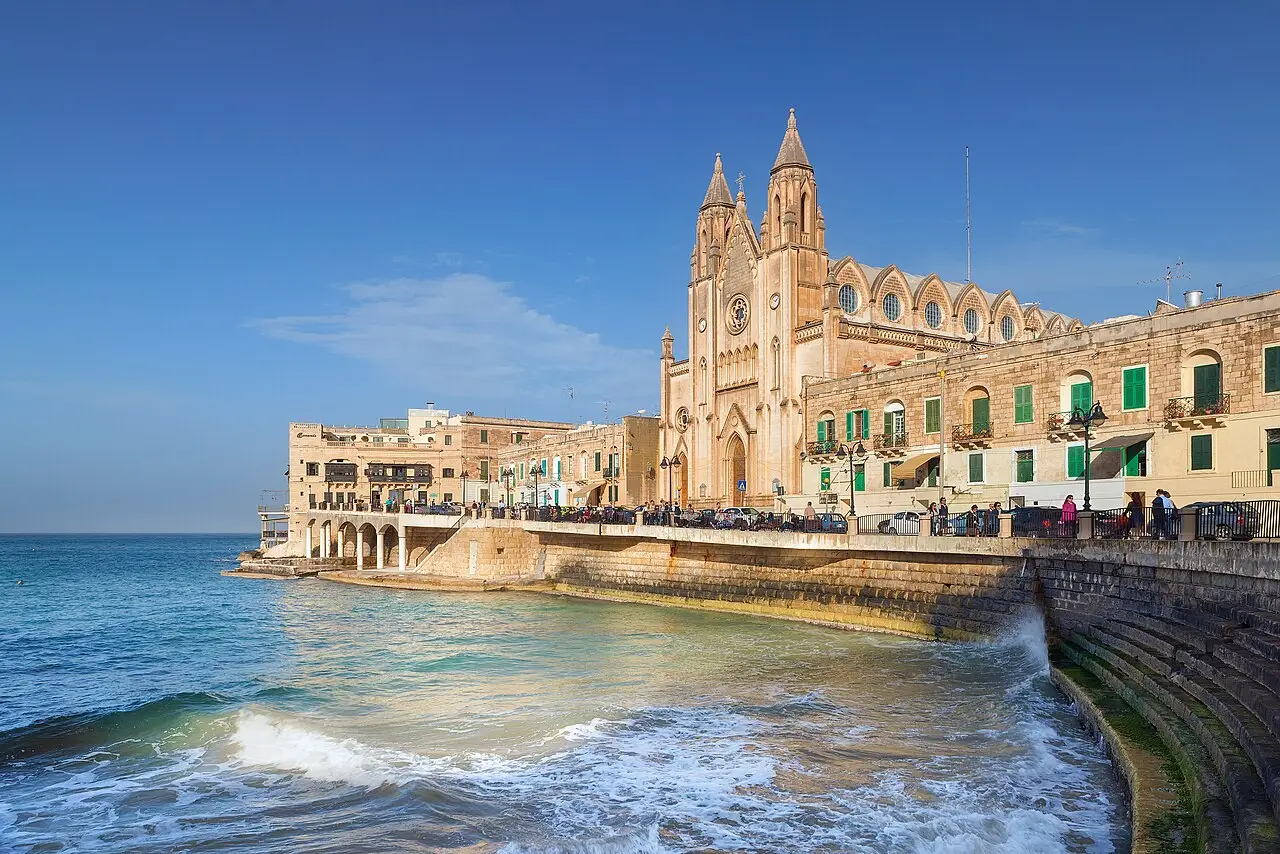
Who books English lessons while living in Malta
English learners in Malta arrive from several directions at once. There are children whose math and science lessons often run in English from primary school onward. There are teenagers working toward SEC examinations at 16 and matriculation examinations at 18. There are Maltese adults whose spoken English flows easily in a cafe and feels less certain in a boardroom. And there is a large, growing community of residents who moved to the island from abroad.
That last group has reshaped daily life. The 2021 census counted 115,449 foreign-born residents, 22.2% of the population, up from 4.9% in 2011 and 3.0% in 2005. By 2024 about 32% of the workforce were foreign workers, roughly 11% from other EU countries and roughly 21% from countries outside the EU. For many of them, English can be the practical common ground with colleagues, landlords, doctors and their children's teachers.
Each of these learners needs something different, which is why Britemy pairs one tutor with one learner and builds the plan around your goal from the start.
- School students who want more confidence in subjects taught in English
- Students aged 16 to 18 heading toward matriculation examinations and university
- Professionals who want polished spoken and written English for work
- Newcomers building everyday and workplace English from the ground up

Maltenglish, and why speaking can feel harder than reading
Many conversations in Malta glide between English and Maltese without a pause. The mix even has a name, Maltenglish, and it is a familiar part of everyday talk. Reference descriptions note that English tends to carry prestige in that mix while Maltese can carry some stigma, which may help explain why many people care about how their English sounds even when they use it all day long.
Census reporting adds another layer. Maltese remains the predominant mother tongue in every age group, and a survey found that people see Maltese as easier to speak while English feels easier to read and write. For many learners this produces a familiar profile: confident reading, solid writing, and a small hesitation when they have to speak English at length, in full sentences, with no Maltese word to fall back on.
Lessons with Britemy respect that profile. Your tutor builds on the reading and writing you already have and spends real time on extended speaking: explaining an idea from start to finish, telling a story in order, holding your opinion when someone pushes back. Switching languages is never treated as a fault. The aim is to give you a confident all-English register for the moments that call for one, while Maltenglish stays yours for everything else.
The sounds Maltese English tends to reshape
Maltese has a feature linguists call final-obstruent devoicing. At the end of a word, the sounds b, d, g and v come out as their voiceless partners p, t, k and f, and the habit travels straight into English. That is why mug can sound close to muck, and why pairs like bag and back or leave and leaf may blur together for a listener who grew up somewhere else.
Descriptions of Maltese English list a few more patterns: frequent glottal stops at the edges of words, a syllable-timed rhythm that gives each syllable roughly equal weight, and stress that lands on a later syllable than many international listeners expect. Maltese itself is the only standardized Semitic language written exclusively in the Latin script, so its roots differ from those of most European languages, and some of that shows up in English in small, predictable ways.
All of this is part of Maltese English, a post-colonial variety of English with its own character. Lessons simply give you a choice: keep your natural accent for everyday life, and switch on extra clarity when an examiner, an overseas client or a video call with weak audio needs it. A typical pronunciation block with your tutor covers the following.
- Final voiced consonants, practiced through pairs such as bag and back or leave and leaf, first slowly and then at natural speed
- Word stress in longer words, so the strong syllable lands where the listener expects it
- Stress-timed rhythm, with small words like and, of and to reduced the way international listeners hear them
- Linking words smoothly, so a glottal break between words becomes a clean join

Talking from the very first lesson
With Britemy you speak from the first lesson. Your tutor asks real questions about your week, your job or your studies, and you answer in English. Accuracy matters, and it gets polished along the way: your tutor notes the patterns that come up, picks the ones that matter most, and works on them while the conversation keeps moving.
This approach suits two very different learners on the island. If English is already part of your daily life, speaking-first lessons push you beyond the comfortable everyday register into longer, more structured talk, the kind you need for interviews, presentations and oral exams. If you are new to English, it means you hear and use useful phrases from day one and leave each lesson with sentences you can take straight to the supermarket, the pharmacy or your workplace.
Because the lesson is one to one, nobody else is waiting for a turn. You have the whole session to think, try, get feedback and try again, and that steady repetition is what turns hesitation into ease. Lesson by lesson, the aim is a shorter pause before you speak and longer sentences once you do.
Children and teenagers in a bilingual school system
Compulsory education in Malta runs from age 5 to 16 in three cycles: early years from 5 to 7, junior years from 7 to 11, and secondary years from 11 to 16. Primary teachers are encouraged to teach English, mathematics, science and technology through English. At secondary level, Social Studies, History, Geography, Religion and Personal, Social and Career Development are taught in Maltese, while science and other subjects are taught in English.
That split asks a lot of a young learner. The TIMSS 2015 country encyclopedia notes that in most state schools English is the students' second language, which can make it harder to grasp a new concept when it arrives in English. A child who is quick with numbers may slow down once the same idea is wrapped in an English word problem. A teenager may understand the science perfectly and still struggle to write the full explanation the exam is looking for.
For younger children, a tutor keeps sessions lively and varied, with short speaking tasks built around the vocabulary of their real school subjects. For teenagers, the work moves toward reading questions carefully, answering in complete English sentences and writing structured responses, with an eye on SEC examinations at 16 and matriculation examinations at 18, the two milestones that open the way to post-secondary study and university. Parents receive the coordinator's progress reports, so you can see what is improving between school reports.
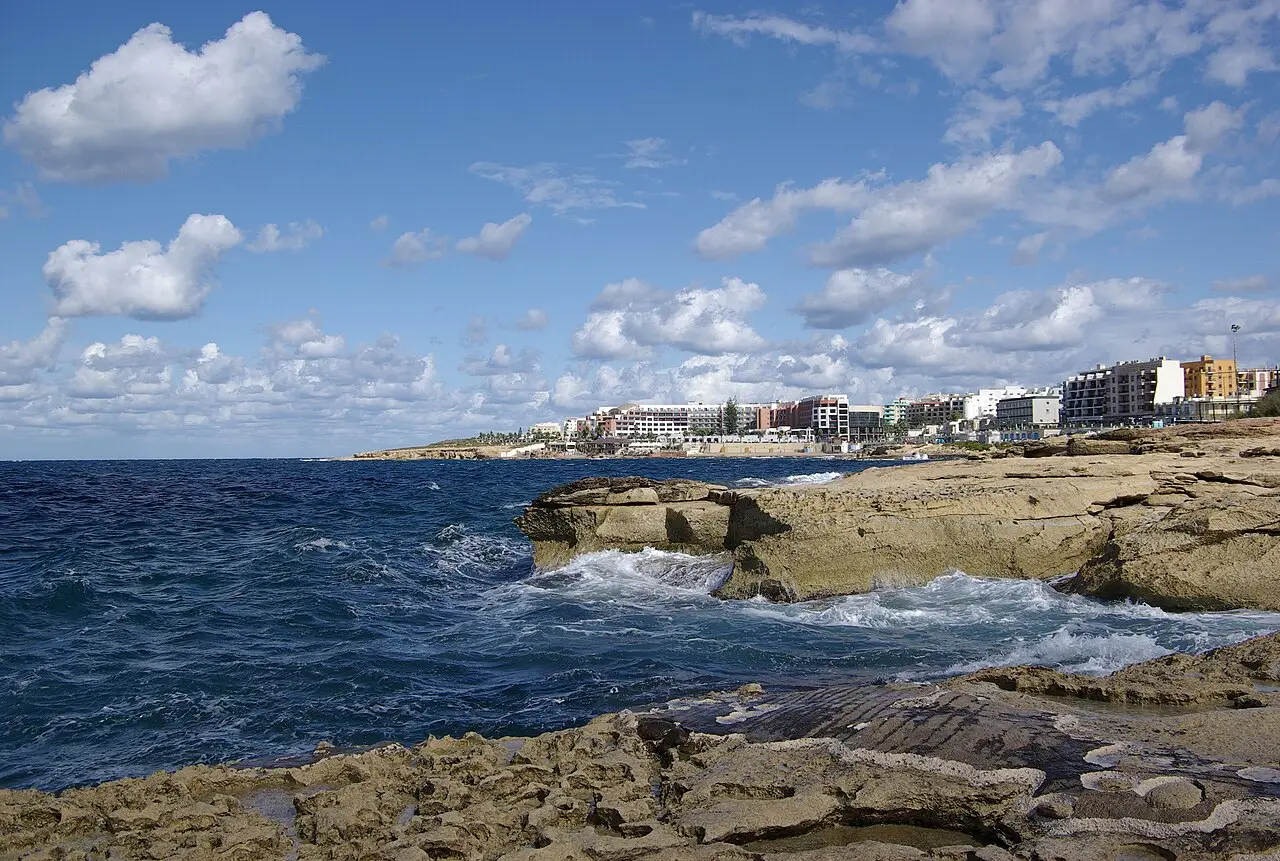
Lessons around the school day, office hours and shift rosters
The school day in Malta generally runs from 8:30 in the morning to 2:40 in the afternoon, which leaves late afternoons and evenings open. A late afternoon lesson after a short break can suit many children, while teenagers in exam years may prefer the early evening, when the day's homework is still fresh and the questions are easy to bring along.
Malta follows Central European Time, UTC+1 in winter and UTC+2 in summer, and your tutor schedules around your local clock. If you work rotating shifts, in hospitality or anywhere else, the lesson plan can move with the roster. Moving a session costs nothing as long as you give at least 24 hours' notice, which keeps a changing timetable easy to manage.
Because lessons run on a video call, there is no commute to plan around. A session fits into a lunch break, the quiet hour after the children are in bed, or a weekend morning before the beach. Choose a regular slot if you like a routine, or agree each week's time with your tutor if your life runs on a rota.
Lessons on Europe/Malta time (UTC+01:00, summer UTC+02:00)
- Tue20:3060 min
- Fri08:0060 min
- Sun10:0060 min
Moving a lesson costs nothing with at least 24 hours' notice.
University of Malta: studying in English from the first lecture
The language of instruction at the University of Malta is English. That means lectures, reading and assessments run in English, so a student's English has to move from school level to academic level: longer reading, sharper argument, and essays that follow a clear structure and cite their sources properly.
The main campus is at Msida, and the Valletta Campus in the Old University Building mainly offers international master's programs. For students finishing school in Malta, matriculation examinations at 18 gate entry to university. The real adjustment can come afterward, when the first assignments ask for a formal written register that everyday bilingual life rarely exercises.
Tutoring at this stage works as academic coaching in English. Together you unpack an assignment brief, outline before drafting, paraphrase sources in your own words, build paragraphs around a clear claim, and rehearse a seminar presentation aloud. Postgraduate students often bring a thesis chapter, a literature review or a conference abstract and work on it directly, line by line, until the argument reads cleanly.
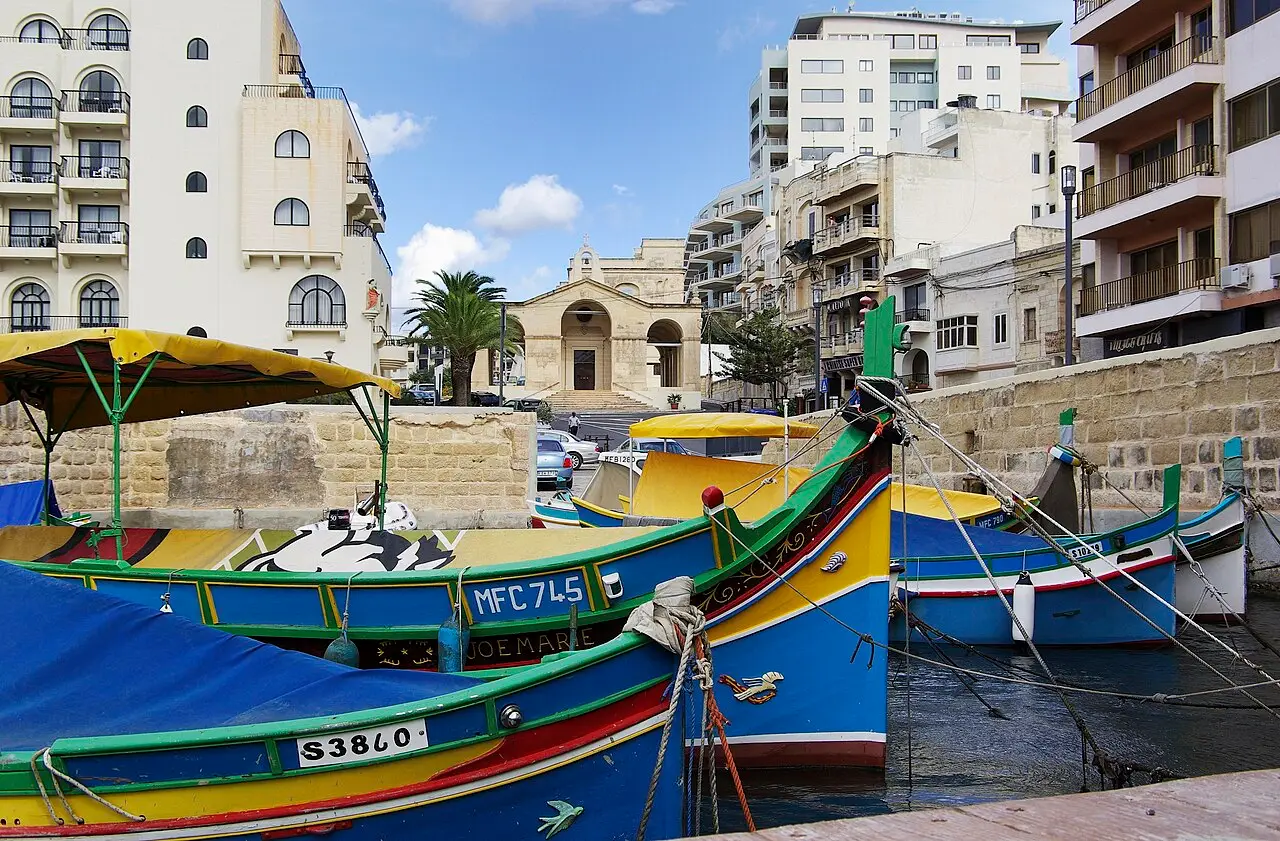
IELTS, TOEFL, PTE and Cambridge for entry to the University of Malta
Applicants who completed secondary education overseas must present a Secure English Language Test result to enter the University of Malta. Among the results the university accepts are TOEFL iBT, Academic IELTS, Cambridge certificates, PTE Academic and its own International Student English Test. The published minimums look like this.
Two details catch applicants out. TOEFL iBT, Academic IELTS and ISET results count only if they were issued within 2 years of the course start date, so the timing of your test matters as much as the score. TOEFL iBT also now has separate pre-2026 and 2026 scales, so check which one a target score refers to before you plan around it. Always confirm current requirements with the university before you book a test date.
Britemy prepares you in two phases with the same tutor. The first builds a foundation in reading, writing, listening and speaking. The second turns to score strategy: drills in the official format, timed mock tests, and timing for each section. You move into the second phase once your foundation is ready, so the strategy sits on real skill.
- Academic IELTS: 6.0 overall with 6.0 in writing for undergraduate entry, and 6.5 for postgraduate study
- TOEFL iBT: 80 for undergraduate entry and 95 for postgraduate study, on the pre-2026 scale
- PTE Academic: 65 overall with 59 in each element for undergraduate entry, and 71 overall with 65 in each element for postgraduate study
- Cambridge English: First Certificate and Advanced Certificate results at grade C or better, for foundation, undergraduate and postgraduate entry
- IELTS Academic
- TOEFL iBT
- PTE Academic
- Cambridge English
Finished school abroad and now applying from Malta
Malta's foreign-born population has grown quickly, from 3.0% in 2005 to 22.2% in the 2021 census, and some newcomers finished school in another country. The University of Malta frames its English requirement around where you completed secondary education, so if you finished school overseas, you may need a test result even when you already live in Malta and use English every day. Check with the university early.
Planning matters here. Because TOEFL iBT, Academic IELTS and ISET results count only when issued within 2 years of the course start date, a test taken too early may run out before the course begins. Postgraduate applicants face a higher bar, IELTS 6.5 or TOEFL iBT 95 on the pre-2026 scale, so they may want more time in the score strategy phase.
A tutor helps you compare the accepted tests, pick the one whose format suits your strengths, and set a sensible test date. Meanwhile the lessons double as preparation for university life itself: academic reading, note-taking from lectures and essay writing, the skills you will lean on long after the test result has done its job.
Arriving in Malta with little English
Plenty of people who live in Malta grew up with a different first language. With roughly 21% of the workforce coming from countries outside the EU in 2024, some adults arrive with limited English and then hear Maltenglish, English and Maltese mixed in one conversation, all around them.
Lessons for beginners start from what you need this month. Introducing yourself at work, understanding a shift schedule, asking a pharmacist a question, reading a rental agreement, calling a landlord about a repair. Your tutor speaks slowly at first and gradually raises the pace, helps you collect new words, and aims to leave you with phrases you can use the same day.
As you grow more confident, the focus widens to listening to fast, mixed conversation, writing short work messages and handling phone calls, the everyday tasks that make island life feel easier. Every minute of a one to one lesson is spent on your own English, which is what makes steady practice add up.
English at work in a workforce that is about one third international
Malta's workplaces are strongly international. In 2024 about 32% of the workforce were foreign workers, and in offices, kitchens and clinics English can be the language a Maltese supervisor and a colleague from abroad share. Reference figures from 2014 put public administration at 26.6% of the labor force and financial services at 4.4%, both sectors where written English in reports, emails and policies carries real weight.
Workplace lessons are built from your own job. Bring a real email thread, an upcoming presentation, a client call you want to rehearse or a performance review you need to prepare for. Your tutor turns it into practice: role plays of the difficult conversation, rewriting a message so it reads clear and polite, and building the vocabulary of your sector until it comes without searching.
- Meetings: giving an update, disagreeing politely and summarizing decisions
- Writing: emails, reports and minutes that are concise and correct
- Presentations: structure, signposting and handling questions from the room
- Interviews: describing your experience with clear, concrete examples
Tourism, hospitality and the English of service
Tourism shapes a great deal of everyday English in Malta. The country received 3,563,618 tourist arrivals in 2024 and 4,022,310 in 2025, and a reference article says tourism generates around 15% of GDP. In 2014, trade, transport, accommodation and food together employed an estimated 28.6% of the labor force, the largest of the groups in those figures.
Visitors come from many directions. In 2018 the United Kingdom, with 640,570 arrivals, and Italy, with 390,607, were the two largest markets, followed by Germany, France and Spain. Malta is also a destination for learning English itself: in 2024, 80,946 foreign students attended English courses at 33 licensed language schools, staying an average of 3.2 weeks.
For anyone working front of house, guest-facing English is a daily skill. Lessons cover handling a complaint calmly, explaining a menu or a booking policy, making small talk with guests whose English is itself a second language, and tuning your ear to many accents in a single shift. If you are aiming for a supervisor or management role, your tutor adds the written side: rotas, incident reports and polished replies to online reviews.
From Valletta to St. Julian's and Msida
Valletta is tiny on the map. It is the smallest capital in the EU at 0.61 square kilometers, with 5,226 residents in July 2024, yet it sits inside an urban area of 480,134 people. As the administrative heart of the country, it is a place where formal written English matters for people in government and professional services, and for students at the Valletta Campus taking international master's programs.
St. Julian's had 14,709 residents in July 2024 and is known for tourism businesses centered on Paceville, including hotels, restaurants and nightclubs. If you work evening shifts here and want English that is quick, friendly and confident with visitors, a late morning or early afternoon lesson can fit neatly before work.
Msida is home to the University of Malta main campus, where English is the language of instruction. For students and applicants nearby, the most useful work is usually academic writing, seminar speaking and test preparation. Wherever you live on the islands, lessons run online, and lessons at home are possible wherever a vetted tutor is available near you.
- Valletta
- St. Julian's
- Msida
Online lessons on Malta's strong broadband
Malta is well set up for learning on a video call. In the EU's DESI 2024 figures, fixed broadband take-up reached 88% against a European average of 78%, very high capacity network coverage stood at 100%, and 53% of fixed connections offered at least 100 Mbps compared with 41% across the EU. Mobile broadband take-up was 87%.
In practice, a Britemy lesson is a live video call with your tutor, one to one, with time for detailed speaking and pronunciation work. A laptop or tablet, headphones with a microphone and a quiet corner are enough to take part. Younger children may settle in more easily with a parent nearby for the first few sessions while they get used to the screen.
Online lessons also widen your choice of tutor. Since the lesson does not depend on where anyone lives, Britemy can match you with the tutor whose experience fits your goal, whether that is a young learner's reading, an IELTS writing task or a business presentation.
Lessons at home, where a tutor is nearby
Some learners prefer a tutor at the kitchen table, especially younger children who settle more easily in a familiar room, or adults who simply like learning face to face. Britemy offers lessons at home wherever a vetted tutor is available near you.
You choose the place and the time that suit your household, and the lesson keeps the same one to one format, the same speaking-first approach and the same coordinator reports as an online session. During your consultation, the team checks whether a vetted tutor is available near you. If none is nearby, you can start online with a tutor matched to your goal.
A tutor matched to you, and free to change
Britemy tutors are experienced and skilled in their field, and they are matched to the learner by goal. A child who needs confidence with English in science lessons works with a tutor who knows how to teach young learners. A student heading for university works with someone used to academic writing. An adult preparing for IELTS works with a tutor who knows the exam format inside out, and a hotel supervisor works with someone comfortable teaching workplace English.
Chemistry between tutor and learner matters a great deal in one to one lessons. If the fit does not feel right, changing tutor is free at any time. That option is there so you can commit to lessons without worrying about being stuck with the wrong match.
A coordinator who reads every lesson note
Behind every tutor sits a coordinator who follows each lesson, reads the tutor's notes and sends you progress reports on the CEFR scale. CEFR stands for the Common European Framework of Reference for Languages, a widely used scale that describes ability in six levels, from A1 for a beginner to C2 for near-complete mastery. Because it describes what you can actually do with the language, it gives you a clear, shared picture of where you are.
For parents of school-age learners, the reports offer a view of progress between school terms. For adults, they show which skill is moving fastest and which needs attention next. When you want to change tutor, pause your package or adjust the plan around a new exam date, those reports give you a clear basis for the decision.
Progress report, CEFR scale
- SpeakingB2
- ListeningB1
- ReadingB2
- WritingB1
Sent by your coordinator after reading your tutor's notes.
Reading the A1 to C2 levels against your own English
It is common for one skill to run ahead of another, and in Malta that pattern has a clear root: many people find English easier to read and write than to speak. Your reading might sit a level above your extended speaking, or your everyday conversation might run ahead of your formal writing. Your coordinator's reports track each skill separately, so the plan aims at the one that needs it most.
Progress depends on where you start, how often you have lessons and how much you practice between them, so Britemy describes the road and keeps no promises about dates. What you can count on is an honest picture at every step, and a tutor who moves your level up from where it sits today.
- A1 and A2: everyday basics such as introductions, shopping, directions and simple messages
- B1: handling most daily situations, describing experiences and giving short reasons
- B2: discussing abstract topics, following lectures and working comfortably in English
- C1: flexible, precise English for academic writing, negotiation and presentations
- C2: near-complete mastery, with nuance and control in almost any setting
What your first month with Britemy looks like
Everything begins with a free consultation, where you talk through your goal, your schedule and any exam dates, and the team suggests a tutor. Packages start at four sessions, settled in full before your first lesson. A package stays active for 30 days from your first lesson, with a 15-day grace period after that, and you can pause once per package for up to 30 days if work, travel or family life gets in the way.
Moving a session costs nothing with at least 24 hours' notice, and changing tutor is free at any time. The first month is designed to leave you with a clear sense of your level, a plan for the next stage and a tutor who knows how you learn.
- At the start: a speaking-heavy first lesson so your tutor hears your English in action, followed by a plan built around your goal
- Next: focused work on the patterns that matter most for you, from final consonants to essay structure
- Later in the month: longer tasks such as a presentation, a timed writing piece or a role play, with your coordinator following each lesson and reporting your progress
Lessons, payment and your rights in Malta
- Price
- Prices are shown in EUR before you pay. Packages start at four sessions. From EUR 13 a session. See every price
- Payment
- Pay by card from almost anywhere, including Visa, Mastercard, Amex, Apple Pay and Google Pay.
- Where
- Learn online from anywhere, or at home wherever a vetted tutor is available near you.
- Cancelling
- You can cancel within 14 days of buying your package and get your money back. If you asked us to start lessons inside that period, we keep the value of the lessons you have already had. Read the policy.
- Free
- The consultation, and changing tutor at any time.
Questions from Malta
My English is already good. Is a private tutor worth it in Malta?
Often, yes. Reference descriptions put the share who speak English at roughly 88%, while about 9% use it as their main home language, and many find English easier to read and write than to speak. A tutor works on the next step for you, whether that is a polished presentation, an academic essay, a clearer accent for international calls or a higher exam band.
Can a tutor help my child with math and science taught in English?
Yes. Primary teachers in Malta are encouraged to teach math and science through English, and in most state schools English is the students' second language, which can make new concepts harder to follow. A tutor builds the subject vocabulary, practices reading word problems carefully and helps your child explain answers in full English sentences.
Which English test should I take for the University of Malta?
The university accepts TOEFL iBT, Academic IELTS, Cambridge certificates, PTE Academic and its own International Student English Test, among others. Undergraduate entry asks for IELTS 6.0 with 6.0 in writing, TOEFL iBT 80 on the pre-2026 scale, or PTE Academic 65 overall with 59 in each element. Your tutor helps you compare formats and choose the one that fits your strengths.
How early can I take IELTS or TOEFL before my course starts?
At the University of Malta, TOEFL iBT, Academic IELTS and ISET results count only if they were issued within 2 years of the course start date. Plan your test date with that window in mind, and confirm current rules with the university, since a result taken too early may expire before your first semester begins.
I work evening shifts in St. Julian's. Can lessons fit around my roster?
Yes. Lessons are scheduled on Malta's local clock, Central European Time, and can move with a rotating roster. If you work evenings around Paceville, a late morning or early afternoon slot can sit neatly before your shift. Moving a session costs nothing with at least 24 hours' notice, so a change in your roster need not cost you a lesson.
Will my tutor try to remove my Maltese accent?
Maltese English is a variety of English with its own features, such as devoiced final consonants and a syllable-timed rhythm. Your tutor helps you add clarity where it counts, for example making bag and back sound distinct or placing word stress where international listeners expect it, while your natural voice stays your own.
I moved to Malta recently and speak very little English. Where do I start?
You start with the English you need right away: introducing yourself at work, understanding a schedule, talking to a landlord or a pharmacist. Malta's foreign-born population reached 22.2% in the 2021 census, so you are far from alone. Your tutor speaks slowly at first and builds your confidence one practical situation at a time.
Can my child have lessons at home instead of online?
Lessons at home are available wherever a vetted tutor is available near you. During the consultation the team checks availability for your area. If no tutor is nearby, your child can start online with a tutor matched to their age and goals, and the coordinator's reports work the same way in both formats.
Do I have to buy a package before I know if the tutor suits me?
You begin with a free consultation where you talk through goals and timing before buying anything. Packages start at four sessions, and if the tutor turns out to be a poor fit, changing tutor is free at any time. Your coordinator's progress reports keep tracking your level through the change.