



















































 Iceland
One to one English in Iceland
You probably hear English every day. Now let's get you speaking it.
Lessons with one tutor who knows your goal, whether that is talking with guests, studying at university, leading a meeting or helping a child find their voice in a second language. You speak from the very first lesson.

Your week, Atlantic/Reykjavik time
Tue18:00
Fri07:30
Sat09:00
English is already in your ears in Iceland
If you grew up in Iceland, English has probably been in the background of your day for as long as you can remember. A 2018 research chapter drawing on national surveys, interviews and diary studies found that English is present throughout the country, mostly as English people take in through media for several hours a day, and that a majority of Icelanders hear it every single day. Children meet it early as well. In a survey of 724 children aged 3 to 12, English made up an average of 14% of their overall language exposure, arriving mainly through the internet at ages 3 to 7 and through films and social media at ages 8 to 12.
All that listening is a genuine asset, and it also explains a pattern the same research describes. A large majority of Icelanders rate their listening, speaking, reading and writing as good or very good, yet very few actually speak or write English in daily life, and the author openly wonders whether that confidence is well founded. So you might follow a whole series in English and still hesitate when a colleague, a lecturer or a traveler asks you to explain something in your own words.
That moment of hesitation is where one to one lessons earn their place. Your ear is already trained, so your tutor can spend each lesson on the part that rarely gets practice here: talking, writing and answering back at the speed real conversations move.
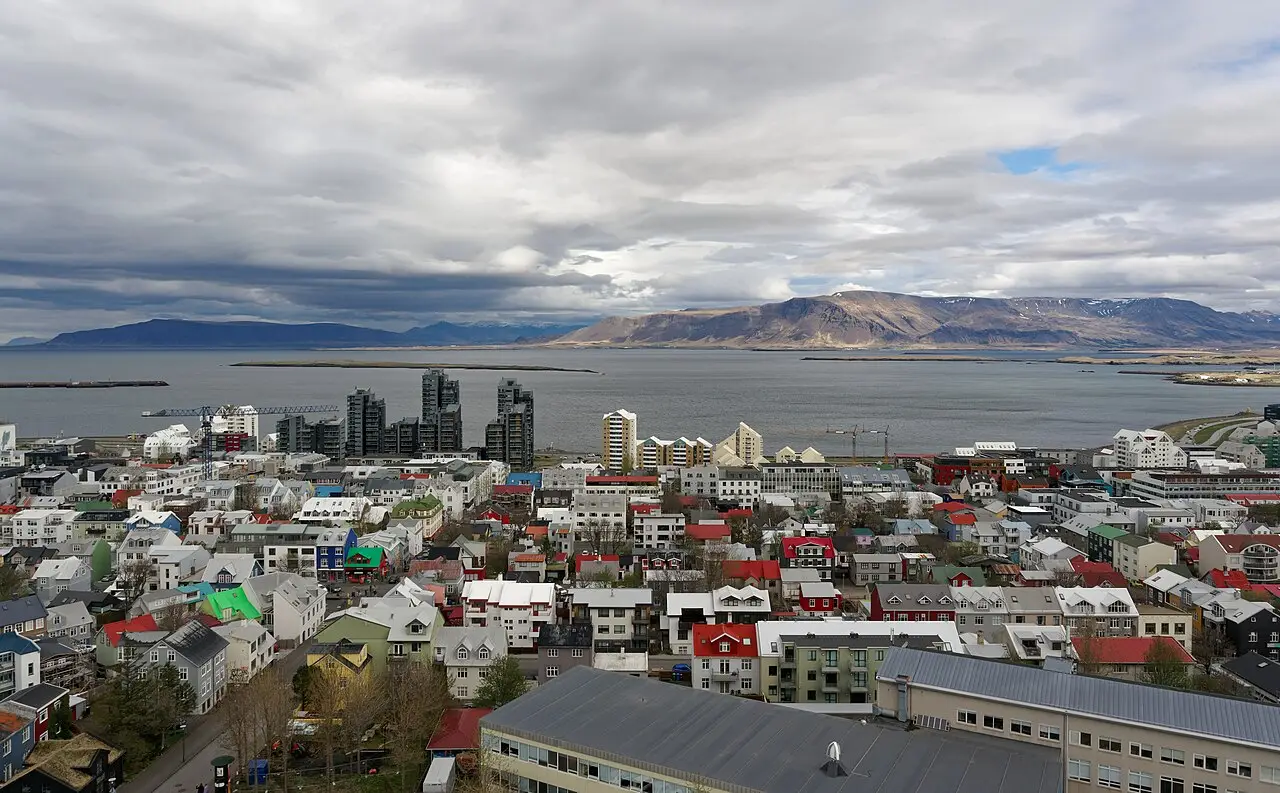
From the English you understand to the English you say
Britemy lessons begin with speaking. From your first session you talk, answer, retell and ask questions, and your tutor polishes accuracy along the way. For many people in Iceland this order feels natural, because the vocabulary is already stored somewhere from years of English in films, series and online media. What usually needs building is the habit of pulling those words out quickly and arranging them into sentences that sound like you.
Your tutor builds that habit in small, steady steps. One week you might describe your job to someone who knows nothing about it. Another week you might defend a decision, tell the story of a long weekend, or calm a customer whose plans have fallen apart. After each conversation comes a short pass over the phrases that came out awkwardly, so every correction sits right beside the moment you needed it and is far easier to remember.
Research on English in Iceland also found that people with a university education often feel less sure of their English than people with shorter schooling, possibly because higher education and professional work ask so much more of it. If that sounds familiar, speaking practice built around your own field, from meetings and reports to conference questions, is usually the most useful place to start.
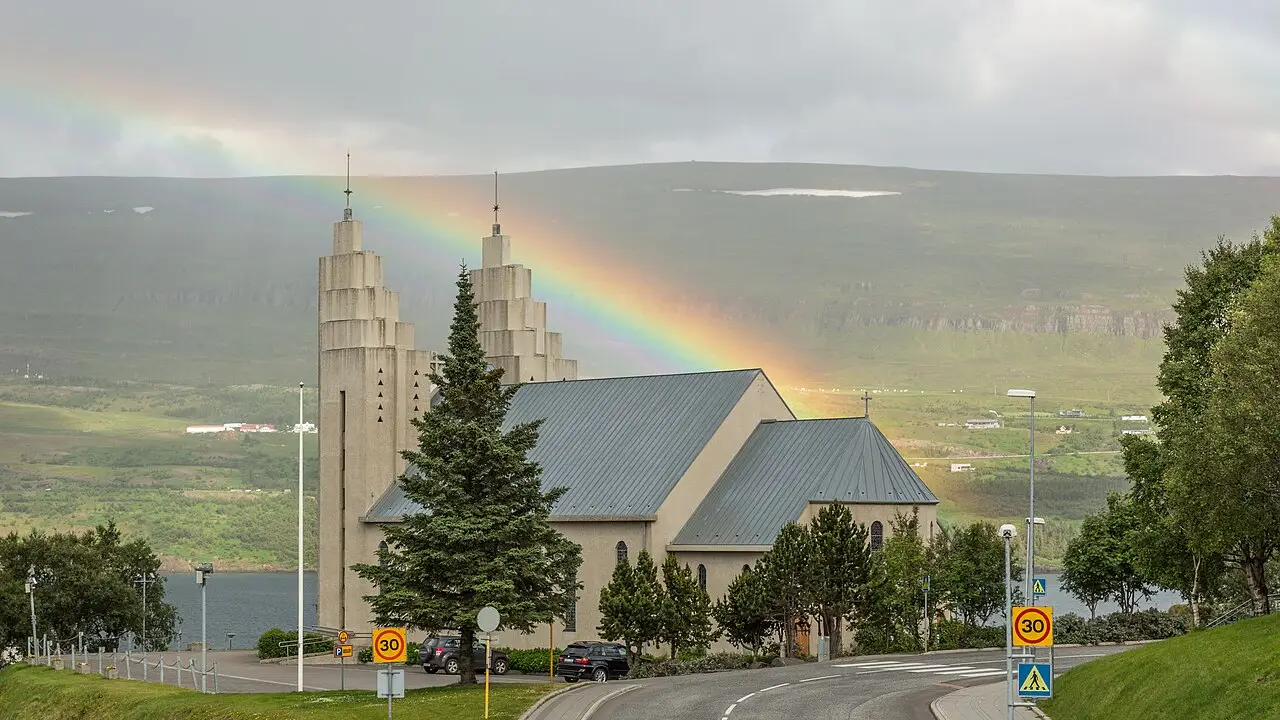
Who learns English one to one in Iceland
The learners who come to a private tutor in Iceland are a wonderfully mixed group, and the numbers show why. On 1 January 2026, immigrants numbered 77,226, or 19.6% of the population, up from 18.9% a year earlier, and first and second generation immigrants together made up 21.7%. People born in Poland formed the largest group at 23,055, followed by people from Ukraine and Lithuania. For many of them, English can serve as a shared language with coworkers who speak neither Icelandic nor their own first language.
Campuses are just as international. In 2024 foreign students made up 9% of enrollment at secondary and university levels, up from 8.2% in 2023, and 44% of doctoral students came from abroad. Poland sent the most students, followed by the United States, the Philippines and Germany, which makes English a common bridge language on campus.
Then there are Icelanders themselves. Younger people report stronger English and use it daily more often, while university-educated people often report less confidence in their English, possibly because higher education and professional work ask so much of it.
- Teenagers and young adults who want their spoken English to catch up with their listening
- Graduates and professionals who need precise, confident English for reports, meetings and research
- Newcomers who use English as the shared language at work while they settle in
- International students and researchers who want smoother seminars and stronger academic writing
Tourism, aviation and the English of welcome
Visitors shape a large part of working life in Iceland. Tourism accounted for 8.8% of GDP in 2025, up from 8.2% the year before, and it directly generated about 30.5 million working hours, roughly 9.5% of all the hours worked in the country. Employment in the industry reached 34,843 in July 2025, up 1% from July 2024, and averaged 31,485 from August 2024 to July 2025.
Many of those guests come from English-speaking countries. Just under 2.3 million foreign overnight visitors came in 2025, and of the 2.25 million foreign tourists who passed through Keflavik Airport, US citizens made up 29% and UK citizens 10.3% of departures. The airport also counted 2.2 million transfer passengers in 2025, 27% of all passengers among about 8.1 million guests, so aviation connects many workers with English-speaking travelers.
Tourism English has its own rhythm. You need to explain a change of plan kindly, answer the same question for the fortieth time as warmly as the first, and handle a complaint without sounding defensive. Your tutor can rehearse the exact situations of your job, using your real menus, tour notes or check-in scripts, until the words come without effort.
- Guiding and front desk English: directions, schedules, safety notes and friendly small talk
- Restaurant and hotel English: allergies, special requests and calm replies to complaints
- Airport and airline English: announcements, delays, rebooking and connecting passengers
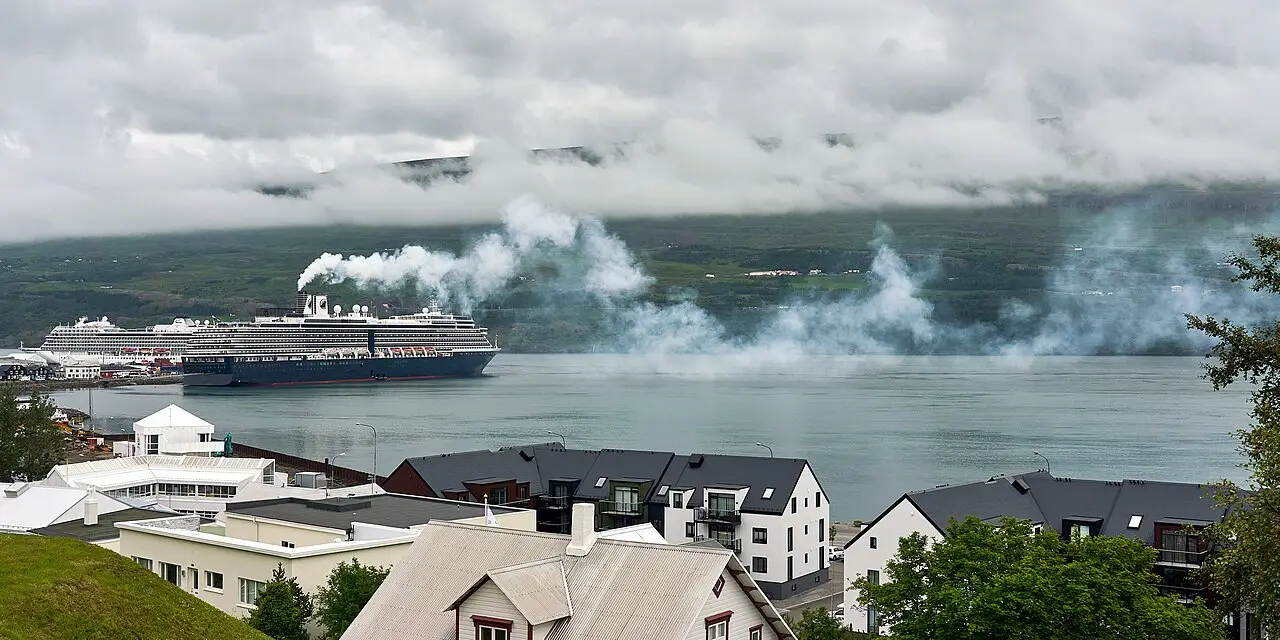
English goals at work across Iceland's labor market
In 2025 an average of 225,700 people aged 16 to 74 were employed in Iceland, an employment rate of 77.8%, with unemployment at 4.3% of the labor force. A 2017 report on Icelandic workplaces found English increasingly used in tourism and construction, and noted that in some workplaces the main working language is Polish, so a single working week can involve several languages at once.
Picture the moments where English carries the weight. A site manager might brief a crew with three first languages. An engineer might write to a supplier overseas. A nurse might explain a medication to a visitor. A founder might pitch to an investor on a video call. In each case the English has to be clear, polite and quick, and small misunderstandings cost time.
Your tutor starts from the tasks you actually face and turns them into lesson material. You might draft an email together, rehearse a safety briefing, or run a mock meeting where your tutor plays the difficult client.
- Emails and reports that read clearly the first time
- Meetings, calls and presentations where you can disagree politely and hold your ground
- Instructions and safety talks for teams who share English as a second language
- Interview practice for roles that list English as a requirement
Starting English from the beginning as an adult
Plenty of adults in Iceland grew up without English on every screen. Many newcomers arrive with Polish, Ukrainian or Lithuanian as their first language, and in a 2017 report on Icelandic workplaces a professor said older people do not always understand English. If you are starting near zero, you are in good company, and a private tutor is a comfortable place to begin.
Beginner lessons move at your pace. Your tutor uses pictures, gestures, short dialogues and plenty of repetition, and you still speak from the first lesson, starting with greetings, numbers, your name, your job and the questions you need at a shop counter or a reception desk. Grammar arrives in small portions, always attached to something you want to say.
Because nobody else is in the room, there is no one to compare yourself with and no reason to feel embarrassed by a slow start. With regular lessons, English gradually turns from a wall of noise into words you can pick out and use.
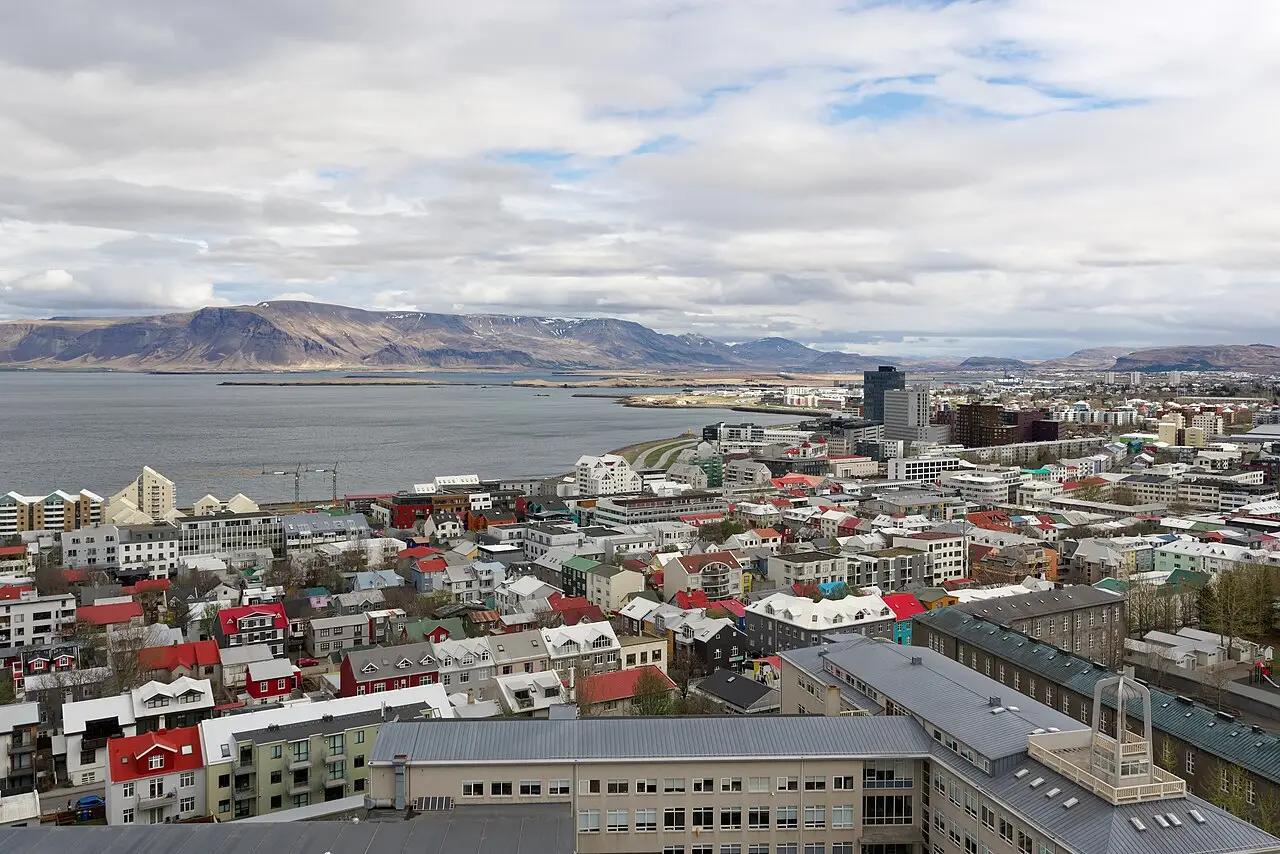
English for children and teenagers in Iceland
In Iceland's compulsory schools English is listed as a core subject from grade 4, and many children start earlier. In the 2013 to 2014 school year, 5,619 pupils in grades 1 to 3 studied English, 42.5% of pupils in those grades, up from 211 pupils, or 1.6%, a decade before. Outside school, English reaches children through the internet when they are small and through films and social media as they grow.
Parents sometimes worry that so much English will crowd out Icelandic. A survey of 724 children offers reassurance: more time with English media did not reduce their Icelandic input, children with larger English vocabularies also had larger Icelandic vocabularies, and English had only a few small effects on Icelandic grammar.
One to one lessons give a child what screens cannot: someone who answers back. Younger learners play, sing, retell stories and describe pictures with their tutor. Teenagers practice presentations, debate topics they care about and work on the essays and projects their school sets. Families who enroll a child can follow progress through the reports the coordinator sends, and teenagers who sign up for themselves receive those reports directly.
How English fits into school and upper secondary study
Education in Iceland is compulsory from age 6 to 16, across grades 1 to 10. The National Curriculum Guide from the Ministry of Education and Children sets minimum teaching hours per subject and grade, schools may add hours within that framework, and the guide dates from 2011 and 2013 and was amended in 2024. Minimum weekly teaching time rises from 1,200 minutes in grades 1 to 4 to 1,400 in grades 5 to 7 and 1,480 in grades 8 to 10. Some pupils add a third foreign language in the upper grades: in the 2013 to 2014 school year, 374 pupils in grades 8 to 10 studied Spanish, 198 French and 125 German.
After compulsory school most young people continue. In autumn 2024, 94.7% of 16-year-olds were registered at upper secondary level, Iceland had 44,758 students above compulsory level, and 34.9% of upper secondary students were in vocational programs.
That gives private lessons two clear jobs. For academic students, your tutor can strengthen essay structure, reading speed and the confidence to speak up in class. For vocational students, lessons can follow your trade, from reading technical manuals to explaining a repair to a customer. Either way, the lesson builds around the coursework you already have.
IELTS, TOEFL, PTE and Cambridge for university in Iceland
If you are applying to the University of Iceland, you will usually need proof of English. The university accepts TOEFL iBT, IELTS Academic, Cambridge English at C1 Advanced or C2 Proficiency, and PTE Academic, and your results cannot be older than two years. C1 and C2 are the top two steps of the CEFR, the Common European Framework of Reference for Languages, a six-level scale that runs from A1 for beginners to C2 for highly skilled users.
Requirements depend on the program. For most international undergraduate programs the minimum is IELTS Academic 6.5 or PTE Academic 58, while the English BA asks for IELTS Academic 7.0 or PTE Academic 65. Most graduate schools also ask for IELTS Academic 6.5 or PTE Academic 58, and the humanities master's programs in English, English teaching, and literature, culture and media ask for IELTS Academic 7.5 or PTE Academic 76. TOEFL minimums vary by program. You may be exempt if you completed at least one full year of full-time, English-taught higher education in a majority English-speaking country, or hold an IB or European Baccalaureate diploma from an English-taught program.
Britemy prepares you in two phases with the same tutor. First comes a foundation in the four skills. Then comes score strategy: drills in the official format, timed mock tests and pacing for each section. Duolingo English Test and TOEIC preparation follow the same path when another institution or employer asks for them.
- IELTS Academic
- TOEFL iBT
- PTE Academic
- Cambridge English (C1 Advanced or C2 Proficiency)
Exchanges, Nordic programs and study abroad
Iceland makes it easier than many places to study somewhere else for a while. The University of Iceland takes part in Nordplus and Erasmus+, which give students grants for travel and residency abroad, and every student, whether studying locally or abroad, is entitled to a loan from the Icelandic Student Loan Fund. For many students a big question is how ready their English feels for lectures, group projects and daily life in a new city.
The movement runs both ways. Exchange students coming to the University of Iceland can take a curriculum taught in English, although English-taught courses are limited in some fields. In 2024 foreign students made up 9% of enrollment at secondary and university levels, and with Poland, the United States, the Philippines and Germany leading the list, English is a common bridge language on campus.
Lessons before a semester abroad can focus on what catches students off guard: following fast lectures, asking a question in a seminar, writing an academic email to a professor, and handling a landlord or a bank appointment. If you are already on exchange, online lessons travel with you.
- Academic listening and note taking for fast lectures
- Seminar participation: asking, challenging and summarizing
- Academic writing: structure, referencing language and a clear argument
How lessons fit an Icelandic week
Iceland keeps Greenwich Mean Time all year, UTC+0, with no daylight saving changes. That small detail makes planning easy, because a lesson booked at a certain hour stays at that hour on your clock from January to July.
Working weeks here are fairly compact. In 2025 workers averaged 35.9 actual hours a week, 32.6 for women and 38.6 for men, which often leaves an early morning, a lunch break or an evening free for a focused hour of English. Tourism workers with shifting rosters can plan lessons around their shifts and move a lesson at no cost with at least 24 hours' notice when the roster changes.
For school pupils, lessons run Monday to Friday, with the school day starting between 8:00 and 8:30 and ending between 13:00 and 15:00 depending on grade and municipality. The school year typically runs from late August to early June. Late afternoons are a natural slot for children and teenagers, and summer can be a good season to keep English moving while school is out.
Lessons on Atlantic/Reykjavik time (UTC+00:00)
- Tue18:0060 min
- Fri07:3060 min
- Sat09:0060 min
Moving a lesson costs nothing with at least 24 hours' notice.
From Reykjavik to Akureyri and Reykjanesbaer
Iceland's population was 394,324 at the start of 2026, up 1.3% in a year, and Reykjavik was the largest municipality with 139,804 residents. Reykjavik is home to the main universities and most of the country's international students and workers, so it is where demand for English lessons is strongest.
Life looks different outside the capital. Akureyri had an estimated 20,467 residents in 2026, and learners there have fewer in-person options, which is exactly the situation online lessons were made for. Reykjanesbaer, which includes Keflavik and Njardvik, had an estimated 22,572 residents in 2026 and sits around the airport that welcomed about 8.1 million guests in 2025, so aviation and tourism work keep English in steady demand.
Wherever you live, from a flat in the capital to a farmhouse in a fjord, your lessons happen on a video call with the same tutor and the same coordinator, so the quality of your learning travels with you wherever you settle.
- Reykjavik
- Akureyri
- Reykjanesbaer (Keflavik)
Online lessons built for a connected country
Iceland is an exceptionally well connected place to learn from. At the start of 2025 the country had about 392 thousand internet users, an online penetration of 99.0%, and about 585 thousand mobile connections, roughly 148% of the population. Going online is part of everyday life for almost everyone in the country.
Every Britemy lesson runs on a video call with your own tutor. You see and hear each other, work through each task together, and the notes your tutor writes after every lesson keep a record of what you practiced and what comes next. A laptop or tablet with a headset works best, and a quiet corner helps you hear the small sounds that make English clear.
Online lessons also make the most of short windows: a focused session before work, during a lunch break or after the kids are asleep. Where a vetted tutor is available near you, lessons can also take place at home, and your coordinator can tell you during the consultation whether that option exists where you live.
A tutor chosen for your goal
Your tutor is chosen around what you want English for. Someone preparing for an IELTS band needs a different partner from a hotel receptionist polishing guest conversations, and both need someone different again from a seven-year-old who loves dinosaurs. Britemy tutors are experienced and skilled in their field, and the match starts from your goal, your level and the way you like to learn.
Over time your tutor learns how you think in English: which words you reach for, which structures you avoid, which topics make you talk for ten minutes without noticing. That knowledge shapes every lesson, so your lessons stay focused on your own gaps.
If the match does not feel right, you can change tutor at any time, and the change costs you nothing. Some learners switch once their goal shifts, for example from conversation to exam preparation, and that is a perfectly normal part of learning.
A coordinator who watches the whole journey
Behind every tutor there is a coordinator. Your coordinator follows each lesson, reads the notes your tutor writes after it, and sends you progress reports on the CEFR scale from A1 to C2. You always know where you stand and what the next step looks like.
The coordinator is also the person you talk to when something changes. Your work shifts move, your exam date comes closer, your child starts a new school year, or you simply feel stuck on a plateau. The coordinator can adjust the focus of the lessons with your tutor, arrange a new tutor if you want one, or help you plan a pause.
Many learners find this second pair of eyes is what keeps them going. A tutor sees the lesson in front of them, while the coordinator sees the pattern across weeks, and together they make sure your English keeps moving in the direction you chose.
Progress report, CEFR scale
- SpeakingA2
- ListeningA1
- ReadingA2
- WritingA1
Sent by your coordinator after reading your tutor's notes.
Knowing where you stand on the CEFR
The six CEFR levels give you a shared language for progress. A1 and A2 cover the basics of everyday life, B1 and B2 let you work, study and hold real conversations, and C1 and C2 mean you can handle complex, nuanced English with ease. The University of Iceland already uses this scale, accepting Cambridge English at C1 Advanced or C2 Proficiency as proof of English.
Many learners in Iceland notice that their skills sit at different levels. Listening and reading may already feel advanced while speaking and writing lag behind, which matches what research says about how much English people here hear compared with how much they produce. Your coordinator's progress reports place you on the CEFR scale, and together with your tutor's notes they show where the next gains are waiting.
Progress depends on how often you practice and where you start, so nobody can promise a level by a date. What you can count on is a clear map, honest feedback and a tutor who adjusts the work as you climb.
- A1 to A2: introductions, shopping, directions and simple messages
- B1 to B2: meetings, opinions, stories and everyday work emails
- C1 to C2: negotiation, academic writing and subtle humor
What your first month with Britemy looks like
It starts with a free consultation. You tell us about your goal, your schedule and your experience with English, and we suggest a tutor and a plan. Only after that do you decide whether to buy.
Packages start at four sessions. Each package is paid for in full ahead of the first lesson. A package is active for 30 days from your first lesson, with a further 15-day grace period, and you can pause once per package for up to 30 days, which is handy around a busy season, exams or travel.
Your first lessons combine speaking practice with careful listening on your tutor's side. Over the first sessions your tutor builds a clear picture of your strengths and the gaps worth working on, and the coordinator's first report puts that picture on the CEFR scale. If something comes up, you can move a lesson at no cost as long as you give at least 24 hours' notice.
Programs that match life in Iceland
Every program is one to one, so the content bends to your goal. These are the paths learners in Iceland most often follow, and you can combine them or switch as your needs change.
Whichever path you take, you speak from the first lesson, your tutor keeps notes, and your coordinator reports your progress on the CEFR scale.
- Conversation and fluency: turning strong listening into confident speaking
- English for work: emails, meetings, presentations and job interviews
- Hospitality and service English: guests, complaints, schedules and small talk
- English for children: stories, songs, games and speaking with a patient tutor
- English for teenagers: school projects, essays, presentations and debate
- Academic English: lectures, seminars and academic writing for study at home or abroad
- Test preparation: IELTS, TOEFL, TOEIC, Cambridge, Duolingo English Test and PTE Academic in two phases
- English for adult beginners: the essentials of daily life, taught slowly and kindly
Lessons, payment and your rights in Iceland
- Price
- Prices are shown in USD before you pay. Packages start at four sessions. From USD 15 a session. See every price
- Payment
- Pay by card from almost anywhere, including Visa, Mastercard, Amex, Apple Pay and Google Pay.
- Where
- Learn online from anywhere, or at home wherever a vetted tutor is available near you.
- Cancelling
- You can cancel within 14 days of buying your package and get your money back. If you asked us to start lessons inside that period, we keep the value of the lessons you have already had. Read the policy.
- Free
- The consultation, and changing tutor at any time.
Questions from Iceland
I understand English films without subtitles. Do I really need lessons?
Understanding films is a strong start, and many people in Iceland are in exactly that position. Research found that a majority of Icelanders hear English every day and rate their skills highly, yet very few speak or write it in daily life. Lessons focus on that missing half: producing English quickly, accurately and in your own voice.
What IELTS or PTE score do I need for the University of Iceland?
For most international undergraduate programs the minimum is IELTS Academic 6.5 or PTE Academic 58. The English BA asks for IELTS Academic 7.0 or PTE Academic 65, and the humanities master's programs in English, English teaching, and literature, culture and media ask for IELTS Academic 7.5 or PTE Academic 76. Results cannot be older than two years, so plan your test date with that in mind.
Will English lessons weaken my child's Icelandic?
The research is reassuring. In a survey of 724 Icelandic children, more time with English media did not reduce Icelandic input, children with larger English vocabularies also had larger Icelandic vocabularies, and English had only a few small effects on Icelandic grammar. Lessons add speaking practice on top of a strong home language.
My first language is Polish, Ukrainian or Lithuanian. Can I learn English with Britemy?
Yes. Many adults in Iceland bring one of these languages, and a 2017 report found English increasingly used at work in tourism and construction. Lessons are taught in English with simple, visual explanations, starting from your real level and the situations you meet every week, so you can begin at any point from absolute beginner upward.
Do lesson times change when the clocks change?
Iceland stays on UTC+0 all year with no daylight saving changes, so a lesson booked for a certain hour stays at that hour on your clock throughout the year. You agree each lesson time in Iceland time with your coordinator, and you can move a lesson at no cost with at least 24 hours' notice.
I live in Akureyri or a small town. Can I still take lessons?
Yes. Lessons run online on a video call, so where you live in Iceland makes no difference to your tutor or your coordinator. Learners in towns such as Akureyri, which has fewer in-person options than the capital area, often find online lessons the most practical choice, and with 99.0% of people in Iceland online at the start of 2025, getting connected is rarely the hard part.
I work in tourism and summer is our busiest season. Can I pause?
Yes. Tourism employment stood at 34,843 in July 2025, above its average of 31,485 for August 2024 to July 2025. Each package allows one pause of up to 30 days, and you can move a single lesson at no cost with at least 24 hours' notice, so a hectic month does not have to undo your progress.
How does test preparation work with Britemy?
Test preparation runs in two phases with the same tutor. First you build a foundation in reading, writing, listening and speaking. Then you move to score strategy: drills in the official format, timed mock tests and pacing for each section. This works for IELTS, TOEFL, TOEIC, Cambridge, Duolingo English Test and PTE Academic.
What if my tutor is not the right fit for me?
Tell your coordinator and you will be matched with a different tutor. Changing tutor is free at any time, and because your coordinator has followed every lesson and read your tutor's notes, your new tutor can start from where you are now.